About Pelvic Floor Physiotherapy
Your body can change in ways you weren’t expecting. Maybe you’re leaking when you exercise, feeling pressure or heaviness, experiencing pain with intimacy, struggling with bladder or bowel control, or noticing that things just don’t feel the way they used to. You may have been told that it’s normal after having a baby, after surgery, or as you get older. But “common” doesn’t mean you have to live with it.
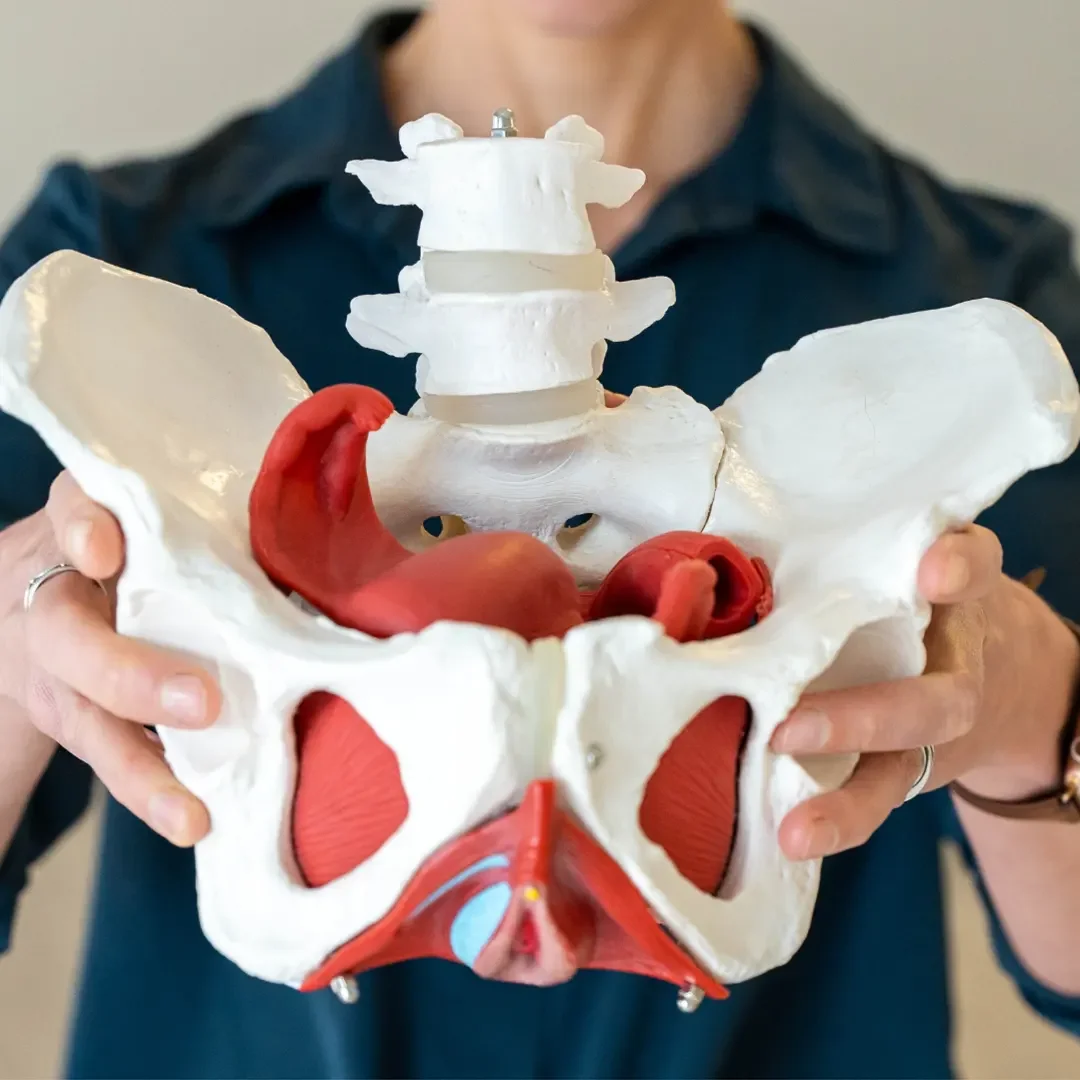
Pelvic health physiotherapy provides specialized care for women experiencing concerns involving the pelvic floor, bladder, bowel, sexual health, pregnancy, postpartum recovery, and changes throughout life.
Mothers can benefit before pregnancy, during pregnancy, after birth, and years beyond motherhood. Women who have never been pregnant can benefit too. You don’t need to know exactly what is causing your symptoms to seek care.
Common reasons women seek care
You may be experiencing:
Urine leakage, urgency, or frequency
Difficulty controlling your bladder or bowel
Constipation or difficulty emptying your bowels
Pelvic pressure, heaviness, or discomfort
Pelvic, vaginal, abdominal, hip, or tailbone pain
Back pain, including pregnancy-related back pain
Pain with penetration or intercourse
Pelvic floor tension or difficulty relaxing
Changes in your body or core function after having a baby
Difficulty returning to exercise or activities you enjoy
Discomfort, tightness, sensitivity, or pulling around a surgical scar
Changes in bladder, bowel, sexual, or pelvic function during perimenopause or menopause
Conditions we treat
Depending on your individual assessment and needs, physiotherapy may be appropriate for conditions including:
Urinary incontinence
Overactive bladder
Pelvic organ prolapse
Pelvic floor dysfunction
Pelvic pain
Painful intercourse
Vaginismus and other conditions involving painful or difficult penetration
Constipation and bowel dysfunction
Diastasis recti
Pregnancy-related pelvic girdle pain
Postpartum pelvic floor dysfunction
Coccydynia (tailbone pain)
Scar-related pain or restriction following C-section or gynecological surgery
Recovery following hysterectomy and other gynecological procedures
Menopause-related pelvic and bladder symptoms
What does treatment involve?
Your first appointment begins with a conversation about what you’ve been experiencing, your
health history, your goals, and how your symptoms are affecting your life. Your physiotherapist
will explain the assessment process and work with you to determine what approach is
appropriate for you.
Treatment is individualized to your needs and may include education, therapeutic exercises
to strengthen or improve coordination of the pelvic floor, exercises focused on learning to
relax and lengthen pelvic floor muscles, movement and Pilates-based strategies, breathing
and relaxation techniques, and manual therapy, including external and internal techniques
when appropriate. Treatment may also include scar management and strategies to help you
return to the activities you enjoy.
An internal pelvic floor assessment is not automatically required. If it is appropriate for your
concerns, your physiotherapist will explain why it may be helpful and obtain your informed
consent before proceeding. You remain in control of your care throughout the process.
You don’t have to “just live with it.”
Pelvic symptoms are common, but they do not have to become your normal.
Whether you are preparing for pregnancy, recovering after having a baby, years beyond
motherhood, navigating menopause, returning to exercise, recovering from surgery, or
experiencing symptoms that you simply don’t understand, specialized physiotherapy can help
you better understand your body and work toward feeling stronger, more comfortable, and more
confident.
Your body deserves more than “that’s normal.”
Your pelvic health is health care.